
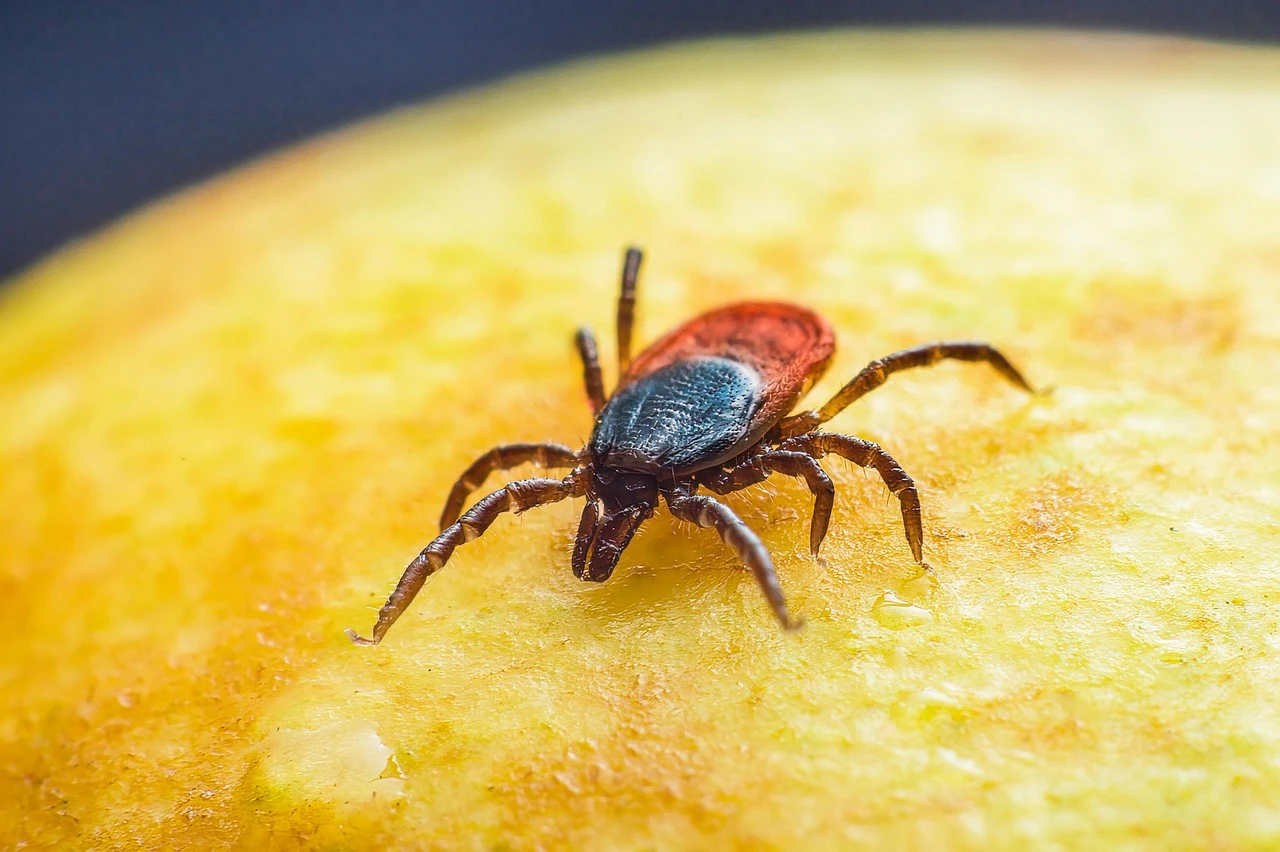
With warm weather drawing Whitby residents back to trails, parks and backyards, Durham Region is urging everyone to take precautions against tick bites, which can transmit Lyme disease and other tick-borne infections.
In a public advisory, the Region of Durham said blacklegged ticks capable of carrying Lyme disease are widespread across the region, particularly in forested areas, spots with tall grass, and places with heavy leaf litter.
Ticks most active in spring and early summer
The advisory notes that ticks are most active during spring and early summer, making the coming weeks a key period for residents to stay vigilant. Not every tick carries Lyme disease, but the Region is encouraging caution regardless, given the insects' broad presence across Durham.
Lyme disease is transmitted through the bite of an infected blacklegged tick, according to the Region of Durham. Early symptoms can appear anywhere from a few days to a month after a bite.
Those symptoms can include fever, chills, headache, muscle or joint pain, extreme tiredness, a stiff neck, and swollen lymph nodes. The Region also warns of an expanding red rash that often resembles a bull's-eye target — a signature sign many residents associate with the illness.
Left untreated, Lyme disease can progress to a more serious illness affecting the heart, joints and nervous system. Early treatment with antibiotics is effective, the Region said.
Where to learn more
Residents looking for the full list of precautions can visit durham.ca/Ticks or call the Durham Health Connection Line at 905-668-2020 or 1-800-841-2729.
The Region's head office is located at 605 Rossland Road East in Whitby.
Anyone who develops symptoms after a tick bite is encouraged to seek medical attention promptly, since early antibiotic treatment is most effective at preventing the disease from advancing.