
Whitby residents are being told to limit time outdoors as wildfire smoke drifting down from northern Ontario combines with extreme heat to worsen air quality across Durham Region through Thursday.
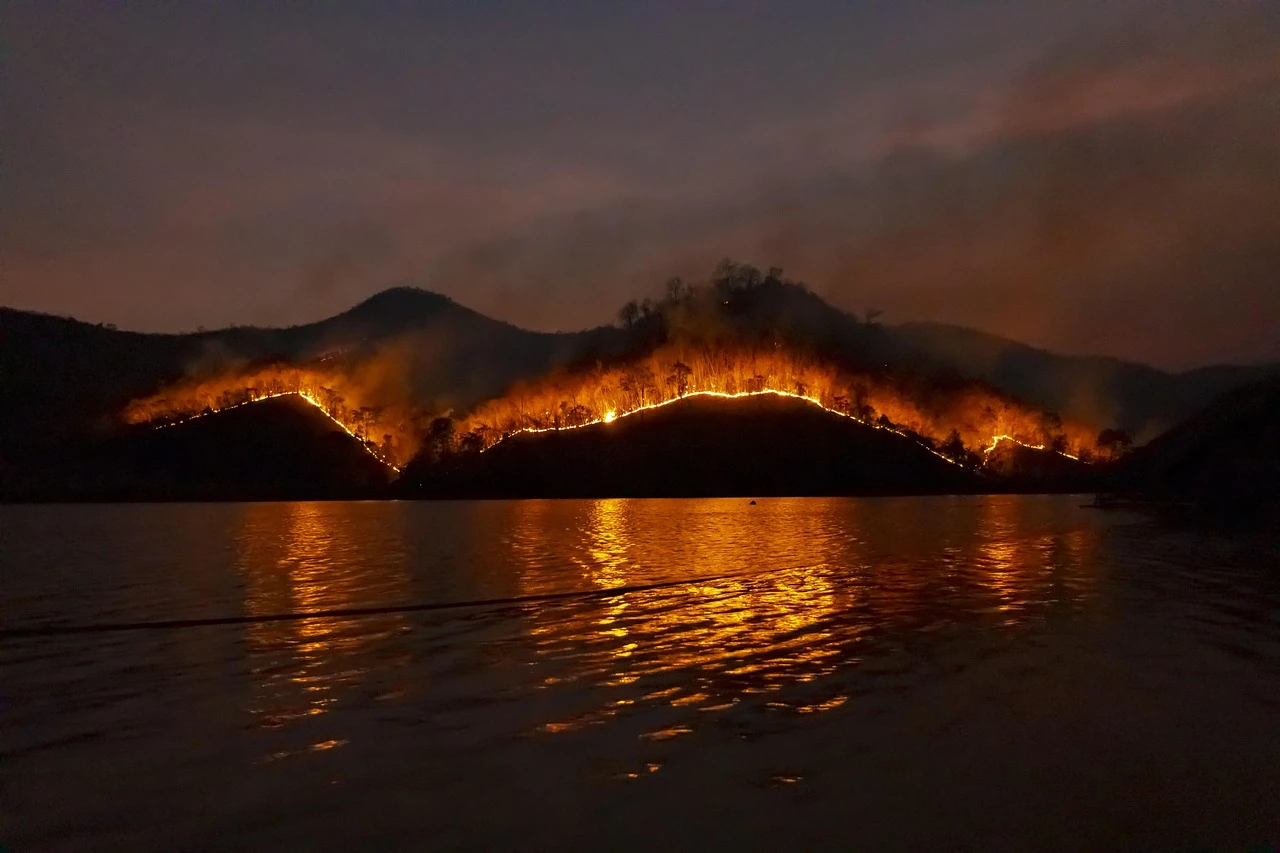
Environment and Climate Change Canada says smoke from large wildfires burning in northwestern and northern Ontario is expected to linger over the region for much of the next 36 hours.
"In general terms, over the next 24 hours, expect the air quality in the Durham area to continue to deteriorate," Brian Proctor, a meteorologist with Environment and Climate Change Canada, told Wesal TV.
Proctor said most of the smoke affecting Durham is coming from fires west and north of Lake Nipigon. Conditions could begin improving Thursday night into Friday as the plume shifts farther southwest, but Durham is expected to remain under the main smoke plume for much of the next day and a half.
Whitby cancels programs, adjusts outdoor work
The Town of Whitby has cancelled its morning and afternoon playground programs and Wednesday evening's Culture Pop Up event at the waterfront. Cooling centres and splash pads remain open free of charge.
The town has also added safety measures for municipal employees working outside, including extra water and electrolyte drinks, more frequent breaks, a buddy system and regular communication between workers and supervisors. Where possible, outdoor work is being scheduled during cooler morning hours, and non-essential tasks may be postponed or moved indoors.
Health warnings expand across the region
The Region of Durham health department issued environmental alerts to more than 500 community partners — including social-service agencies, childcare and education providers, seniors' organizations, first responders and employers with outdoor workers — after receiving early warnings from Environment and Climate Change Canada.
Regional officials said wildfire smoke can affect everyone, including otherwise healthy people, but older adults, infants, young children, pregnant people, outdoor workers and those with chronic medical conditions face a greater risk of illness.
Residents are advised to limit time outdoors, avoid strenuous physical activity and seek medical attention for persistent coughing, throat irritation, shortness of breath or worsening health conditions. The Region is also urging residents to check on neighbours, relatives and friends who may be vulnerable.
Proctor noted smoke and heat create competing risks: staying indoors with windows closed is standard advice during heavy smoke, but that can increase heat-related illness in homes without adequate air conditioning. "If you don't have proper air conditioning or proper ventilation, that can create even more problems associated with the heat accumulating in people's houses," he told Wesal TV. He said residents who cannot keep their homes cool should consider spending time in cooling centres or other air-conditioned public buildings.
The Region said cooling locations, including libraries and community centres, are available across Durham, though it did not identify any facilities specifically designated as cleaner-air spaces with enhanced filtration. A properly fitted N95 respirator can reduce exposure to fine particles for those who must be outside, but it does not protect against harmful gases and should not be worn by young children or anyone who has difficulty breathing while wearing one, the Region said.
Durham outreach teams and community agencies are also conducting wellness checks on people experiencing homelessness. Sahar Foroutani, manager of homelessness support with the Region's Social Services department, said outreach workers are explaining the smoke and heat warnings, distributing drinking water and helping people reach cooling locations and other safe indoor spaces.
Regional shelters are expected to remain open around the clock during extreme heat events, with staff securing overflow spaces or motel accommodations when capacity is reached.
The Region also reminded employers that under Ontario's Occupational Health and Safety Act, they are responsible for assessing workplace risks related to extreme heat and poor air quality and for protecting employees who work outdoors.